
What Fremont Homeowners Need to Know About Bay Area Gas Water Heater Rules
Are Gas Water Heater Regulations Changing in the Bay Area?
If you have a gas water heater in Fremont, Newark, or Union City, you may have heard about new regulations scheduled to take effect in 2027. You might be wondering whether you’ll still be able to replace your gas water heater if it breaks.
Here’s the important part: you do not need to replace a working gas water heater simply because 2027 is approaching. The Bay Area Air District’s rules establish emissions standards for covered new equipment. They do not require homeowners to remove functioning water heaters just because a compliance date is approaching.
The district adopted Regulation 9, Rule 6 in 2023 and is now considering changes that could provide exceptions in certain circumstances and extend the compliance timeline. Those changes have not yet been approved.
For homeowners planning ahead, it’s also worth understanding the alternatives, including electric heat pump water heaters, and what may be involved in installing one.
Here’s what Fremont homeowners should know about the current requirements, the proposed changes, and planning for their next water heater replacement.
What Are the Current Gas Water Heater Requirements?

In March 2023, the Bay Area Air District adopted Regulation 9, Rule 6 to reduce nitrogen oxide (NOx) emissions from natural gas-fired water heaters and boilers. The rule sets emissions requirements for covered new equipment, with compliance dates based on the equipment’s rated heating capacity and manufacturing date.
Here’s the currently adopted schedule:
- January 1, 2027: Covered water heaters rated below 75,000 BTU per hour and manufactured after this date must meet the zero-NOx standard.
- January 1, 2031: The zero-NOx standard applies to covered larger water heaters and boilers rated from 75,000 to 2 million BTU per hour, under the rule’s applicable requirements.
The 2027 date is especially relevant to Fremont homeowners because this category includes many residential tank water heaters. The rule applies to covered new equipment; it does not require homeowners to remove a functioning water heater simply because the compliance date is approaching.
The Air District is considering amendments that could provide certain exceptions and extend the timeline for smaller water heaters. Those changes are still proposals, so the currently adopted requirements remain the baseline until any amendments are approved.
Could the Requirements Change Before 2027?
Yes. The Bay Area Air District is considering amendments to the requirements for smaller water heaters. If approved, the changes would provide certain exceptions to the zero-NOx standard and extend the compliance timeline.
Why does this matter? Replacing a gas water heater with a unit that meets this standard means getting an electric water heater or a heat pump water heater, and this can involve more than choosing a new appliance. Depending on the home, installation may require a dedicated electrical circuit, new wiring, electrical panel upgrades, or changes to plumbing and condensate drainage.
These additional requirements can affect the total installation cost. The proposed changes are intended to provide more flexibility in certain circumstances, but homeowners should not assume the proposed exceptions or extended timeline are already in effect.
The district’s board is scheduled to consider the changes on November 4, 2026. Until a decision is made, homeowners should check the existing requirements when planning a replacement.
For updates, visit the Bay Area Air District’s official rule page.
What Should Fremont Homeowners Do Now?
You don’t need to rush into replacing a working water heater, but planning ahead can make the process easier if your system is getting older or showing signs of trouble.
Here’s where to start:
- Check your current water heater. Identify whether it’s gas or electric and locate the rating plate for its model and specifications.
- Consider its age and condition. If your water heater is around 10 years old or older, or you’re noticing leaks or inconsistent hot water, it may be time to explore replacement options.
- Consider your replacement options. Depending on the regulations in effect when you need a replacement, your home’s setup, and your hot water needs, you may want to compare available gas models with electric heat pump water heaters.
- Understand your home’s installation requirements. Heat pump water heaters need suitable space and airflow, along with appropriate electrical connections and condensate drainage. An assessment can help identify any upgrades that may be needed.
- Compare the total cost. Consider the equipment, installation, potential electrical or plumbing upgrades, and any incentives for which you may qualify.
- Check the latest rules. Confirm the requirements in effect before making a replacement decision, especially while the district’s proposed amendments are under consideration.
Planning ahead gives you time to understand your options instead of making a rushed decision when your water heater stops working.
Why Are Heat Pump Water Heaters Getting So Much Attention?

Heat pump water heaters are getting more attention because they offer an energy-efficient alternative to traditional gas water heaters and standard electric resistance models.
Although they run on electricity, heat pump water heaters work differently from conventional electric water heaters. Instead of relying primarily on electric heating elements to generate heat, they draw heat from the surrounding air and transfer it into the water tank. This process can use substantially less electricity than standard electric resistance heating.
Many heat pump water heaters also have backup electric resistance elements. This combination allows the heat pump to handle much of the water heating while the backup elements can help meet higher hot water demand. That’s why many models are described as hybrid heat pump water heaters.
For Fremont homeowners researching alternatives to their gas unit, a heat pump water heaters would be worth considering because of their energy efficiency and potential to reduce water heating energy use. However, they’re not the right fit for every home.
Available space, airflow, electrical capacity, drainage, household hot water demand, and installation costs all play a role in determining whether a heat pump water heater makes sense for your home.
How Much Does a Heat Pump Water Heater Installation Cost?
The total cost depends on the equipment you choose and the work required to install it. A home with suitable electrical infrastructure and enough space may need relatively little additional work, while another may require new wiring, electrical panel upgrades, plumbing changes, or condensate drainage.
When comparing heat pump water heaters with other replacement options, consider the complete installation cost rather than the equipment price alone. A more efficient model may offer lower energy use over time, but the overall value depends on installation expenses, utility rates, hot water usage, and the equipment you choose.
Eligible homeowners may also qualify for rebates or incentives, depending on current program availability and requirements.
An assessment of your home’s existing setup can help identify potential installation needs and give you a clearer picture of the total cost before you commit to a replacement.
Need Help With Your Water Heater in Fremont?
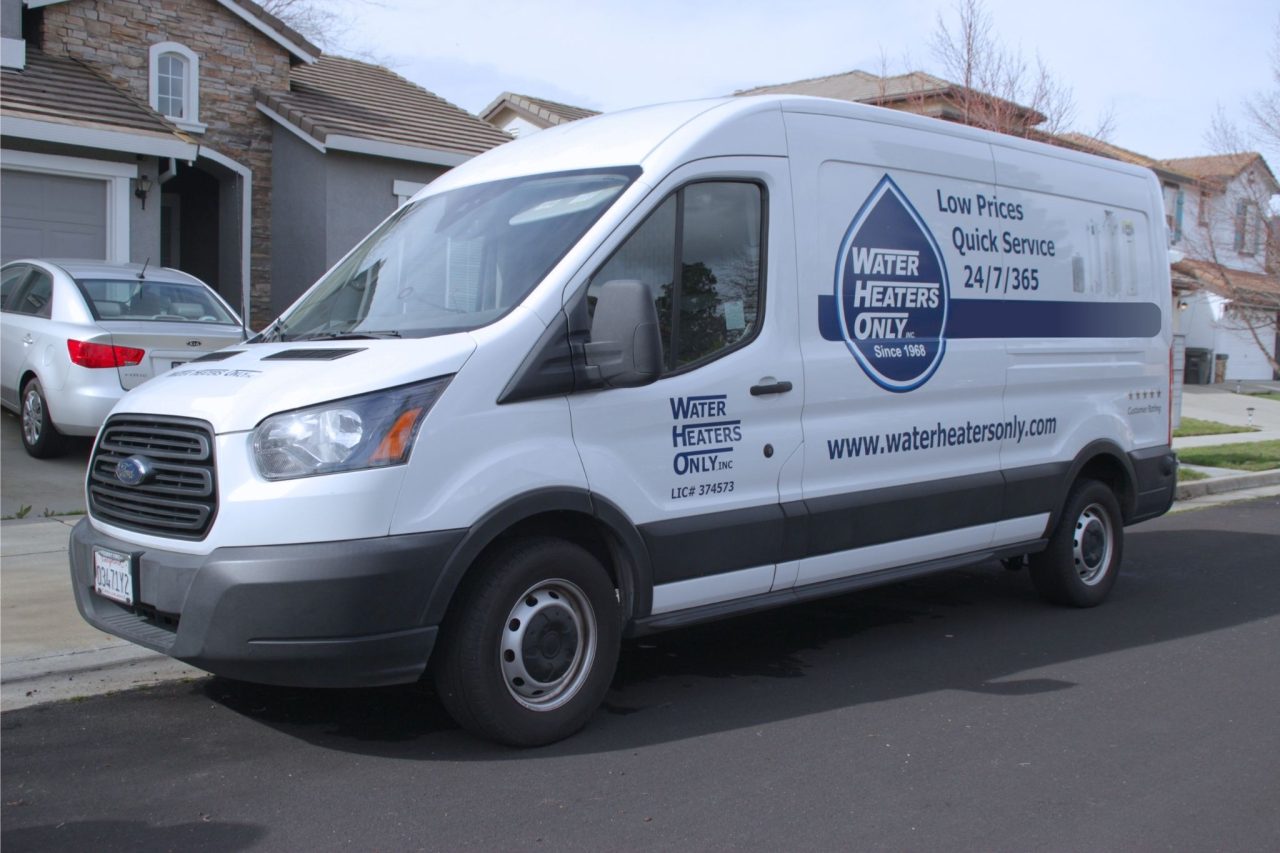
Whether your water heater is leaking, producing inconsistent hot water, or simply getting older, Water Heaters Only, Inc. can help you understand your repair and replacement options.
We provide water heater repair and replacement services throughout Fremont and nearby East Bay communities, including Newark and Union City.
Our team can assess your existing water heater, discuss suitable replacement options, and help you understand what may be involved in the installation, including whether a heat pump water heater may be suitable for your home.
Call (510) 630-6886 to discuss your water heater repair or replacement options.
Schedule Service
"*" indicates required fields